The Top 7 Refrigerator Maintenance Tips to Prevent Breakdowns
A refrigerator is more than just an appliance—it is the heart of a modern kitchen, preserving food, maintaining freshness, and ensuring household efficiency. Despite its essential role, many homeowners overlook regular maintenance, which can lead to unexpected breakdowns, costly repairs, or shortened appliance lifespan. Understanding the key factors that contribute to refrigerator performance is vital for avoiding these issues and protecting investment. Proper care not only ensures consistent cooling but also enhances energy efficiency, reduces electricity bills, and maintains a hygienic environment for food storage. Regular upkeep also helps prevent unpleasant odors, mold growth, and potential contamination, ensuring food safety for the entire household. A well-maintained refrigerator supports not just convenience but also long-term savings by minimizing emergency repairs and energy wastage.
Preventing breakdowns requires a proactive approach, combining routine checks with practical maintenance practices. Small adjustments, timely cleaning, and attentive monitoring can prevent common problems before they escalate into major repairs or service emergencies. From dust-clogged coils to temperature mismanagement, a refrigerator’s functionality depends on several interconnected components working efficiently together. For households relying on consistent food preservation, understanding how to maintain this critical appliance is crucial. Additionally, incorporating seasonal inspections and checking for early signs of wear can further extend the appliance’s lifespan. The following sections outline the top seven refrigerator maintenance tips, providing actionable guidance, expert insights, and practical strategies to maximize efficiency, reduce energy costs, and extend the life of the refrigerator while preventing unnecessary disruptions.
1. Keep Condenser Coils Clean
Understanding Condenser Coils
Condenser coils play a critical role in releasing heat from the refrigerator efficiently. Located at the back or underneath the appliance, these coils can accumulate dust, dirt, and pet hair over time, significantly reducing cooling performance. When blocked, heat dissipation becomes inefficient, forcing the compressor to work much harder and increasing the risk of premature mechanical breakdown or costly repairs.
Best Practices for Cleaning
Routine cleaning every three to six months can prevent this problem effectively and maintain optimal appliance efficiency. Using a vacuum with a brush attachment or a coil cleaning brush allows for gentle removal of debris without damaging the coils. Additionally, unplugging the refrigerator before cleaning ensures safety while providing easier access to hard-to-reach areas that often collect the most dust.
Real-World Impact
For instance, a household experiencing rising electricity bills may find that a simple coil cleaning significantly reduces compressor strain and lowers overall energy usage. Regular maintenance of condenser coils not only prevents breakdowns but also enhances cooling efficiency, preserving food quality and minimizing long-term operating costs in every kitchen.
2. Maintain Proper Temperature Settings
Ideal Temperature Ranges
Maintaining the correct internal temperature is essential for food safety and optimal appliance performance at all times. Refrigerators should typically operate between 35°F and 38°F, while freezers function best around 0°F. Deviations from these recommended ranges can cause inefficient cooling, unexpected ice buildup, or even potential spoilage of sensitive perishable foods.
How to Monitor Temperature
Digital thermometers provide accurate readings and help ensure that the appliance maintains consistent temperatures continuously. Additionally, frequent checks during seasonal changes or immediately after power outages can prevent unnoticed fluctuations that might otherwise compromise food quality or reduce appliance longevity over time.
Expert Advice
Setting the temperature too low can overwork the compressor, leading to accelerated mechanical wear, whereas higher settings may compromise food safety standards and reduce freshness. Properly calibrated temperature control balances appliance longevity with optimal cooling, significantly reducing the likelihood of unexpected breakdowns and ensuring reliable everyday operation.
3. Ensure Adequate Airflow Inside the Refrigerator
Importance of Air Circulation
Proper airflow prevents hot spots and maintains uniform cooling throughout the refrigerator interior efficiently. Blocked vents, overcrowded shelves, or improperly stored items can disrupt circulation, causing uneven temperatures, unnecessary compressor strain, and reduced energy efficiency in daily operation.
Practical Tips for Optimal Airflow
- Avoid placing large items directly in front of cooling vents, which can obstruct air movement.
- Leave space between food containers for air to circulate freely, improving consistent cooling.
- Rotate items periodically to prevent temperature inconsistencies in certain areas and ensure even preservation throughout the appliance.
Benefits of Airflow Maintenance
Consistent cooling reduces frost buildup, prevents spoilage, and minimizes unnecessary energy consumption over time. Households frequently reporting uneven cooling often find that simple adjustments in storage practices restore efficiency and dramatically reduce the frequency of repairs or emergency service calls.
4. Regularly Check and Replace Door Seals
Role of Door Gaskets
Door gaskets create an airtight seal that prevents warm air from entering the refrigerator, which is critical for maintaining optimal temperature. Damaged or worn-out seals can lead to temperature fluctuations, increased energy consumption, and accelerated wear on the compressor over time, reducing overall appliance lifespan.
Identifying Seal Issues
Signs of failing gaskets include visible cracks, sticky areas, or condensation along the edges of the door. A simple dollar-bill test—closing a bill in the door and attempting to pull it out—can reveal leaks; if it slides out easily, the seal may need immediate replacement to maintain efficiency.
Preventive Maintenance Tips
Clean gaskets periodically using mild soap and warm water to remove debris and ensure continued flexibility. Prompt replacement of compromised seals safeguards internal temperatures and reduces the risk of mechanical failures, preserving both food quality and appliance integrity over the long term.
5. Defrost Regularly and Manage Ice Buildup
Understanding Frost Formation
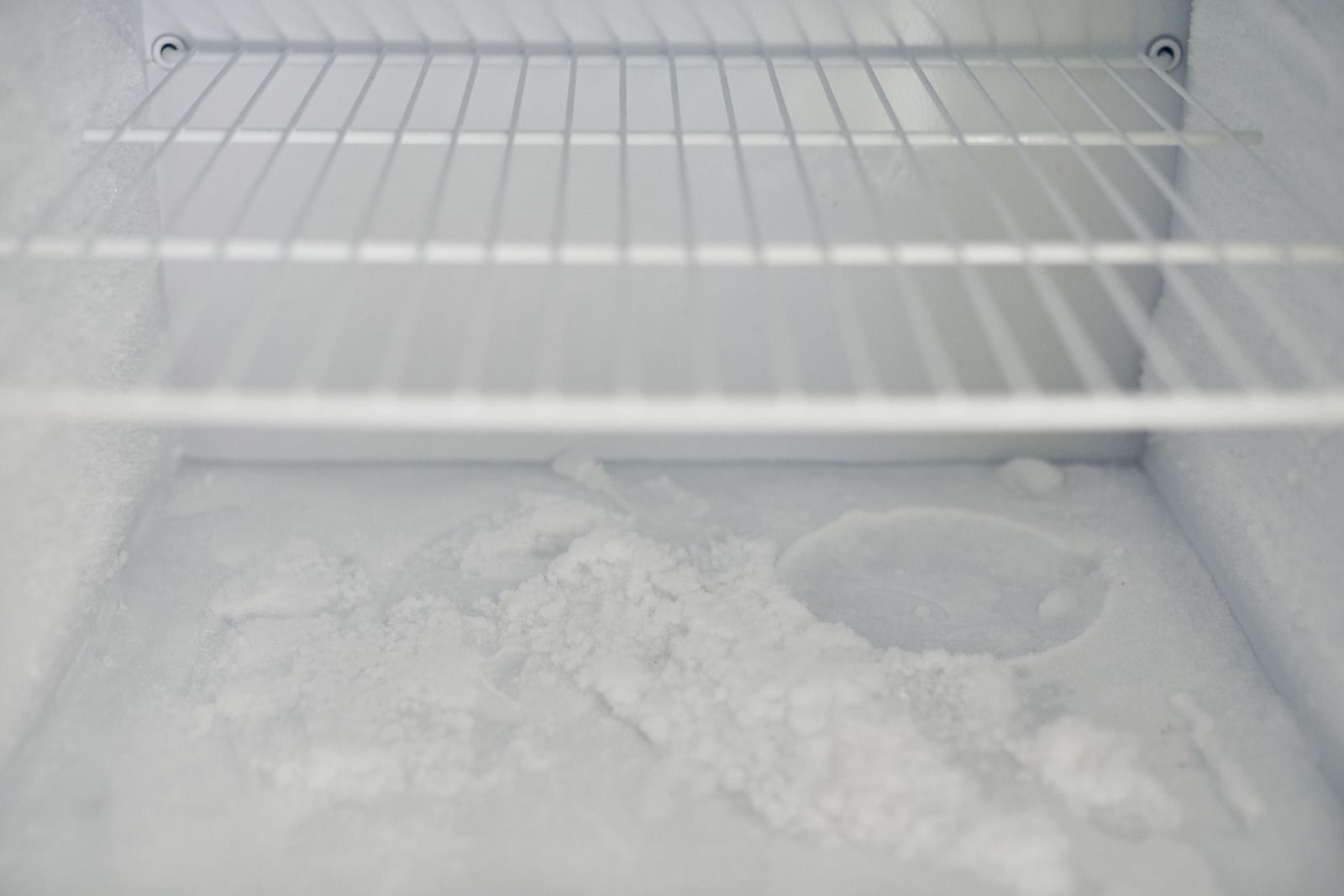
Even modern frost-free refrigerators may develop ice buildup in freezers over time if neglected. Excessive frost reduces airflow, forces the compressor to work harder, and lowers energy efficiency. In older or manual models, regular manual defrosting is necessary to maintain optimal operation and consistent cooling performance.
Defrosting Techniques
- For manual models, remove food items and unplug the appliance before allowing ice to melt completely.
- Use a container to collect water from melting ice to avoid spills and potential damage.
- Avoid using sharp objects to chip away ice, as this can seriously damage internal surfaces or delicate coils, creating costly problems.
Maintaining Efficiency
Regular defrosting prevents ice accumulation that blocks airflow and causes uneven cooling throughout the refrigerator. Households following a consistent defrost schedule notice longer-lasting appliance performance, lower electricity consumption, and significantly fewer repair issues over the appliance’s lifespan.
6. Monitor and Maintain Water and Ice Dispensers
Common Issues in Dispensers
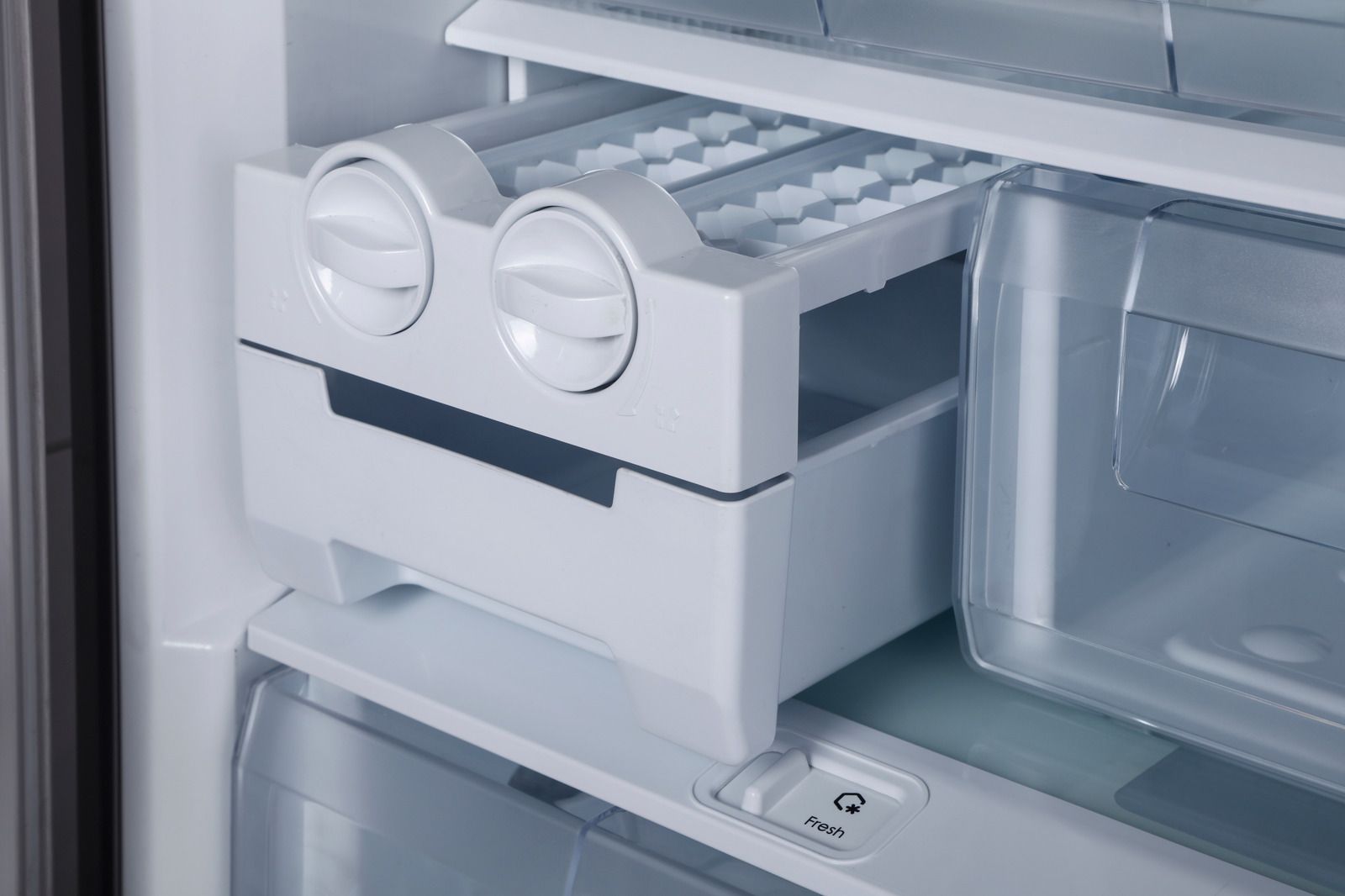
Water and ice dispensers can be convenient but often present maintenance challenges for homeowners. Clogged filters, mineral buildup, or frozen lines can restrict flow, compromise functionality, and reduce water quality, potentially creating hygiene and operational concerns.
Maintenance Best Practices
- Replace water filters every six months or according to manufacturer instructions to maintain proper performance.
- Inspect ice maker components periodically for blockages, damage, or ice jams that may occur unnoticed.
- Clean external and internal surfaces with mild detergent to prevent bacterial growth and maintain safe operation.
Long-Term Benefits
Consistent maintenance of dispensers prevents leaks, reduces strain on internal components, and ensures safe, reliable operation. Households using water or ice features frequently may find that small, scheduled checks prevent costly repairs and maintain appliance longevity effectively over time.
7. Schedule Professional Maintenance and Inspections
Value of Expert Service
Even with regular DIY maintenance, professional inspections provide a deeper assessment of mechanical, electrical, and refrigeration components. Certified technicians can detect early signs of compressor wear, refrigerant leaks, or electrical faults that may not be visible during routine cleaning, preventing unexpected failures.
Recommended Frequency
An annual professional checkup is often sufficient for most household refrigerators to maintain peak performance. Inspections include coil cleaning, refrigerant level assessment, thermostat calibration, and comprehensive overall performance evaluation to ensure reliable operation.
Real-World Example
For instance, households experiencing inconsistent cooling despite following all preventive tips may discover a refrigerant leak during a professional inspection. Timely detection allows repair before a complete breakdown occurs, saving both money and inconvenience. Professional involvement complements routine maintenance, providing long-term peace of mind and prolonging appliance life substantially.
Trusted Appliance Experts Ensuring Reliable Refrigerator Performance
Refrigerators are indispensable household appliances, and their longevity depends on consistent, thoughtful maintenance. By following these top seven tips—cleaning condenser coils, maintaining proper temperatures, ensuring adequate airflow, checking door seals, managing ice buildup, caring for dispensers, and scheduling professional inspections—households can prevent breakdowns, reduce energy costs, and maintain safe food storage. Proactive attention to refrigerator care not only enhances performance but also protects a critical investment, ensuring that the appliance continues to function efficiently for years to come.
At Appliance Repair Masters, we bring 30
years of experience in
maintaining and repairing refrigerators
across St. Louis, West County, South County, Jefferson County, and Franklin County. Our approach combines expert knowledge, precision diagnostics, and practical solutions to ensure optimal appliance performance. Homeowners can rely on us to handle both routine maintenance and urgent repairs with professionalism, efficiency, and attention to detail. We prioritize longevity, energy efficiency, and safety, providing tailored guidance for each appliance. By choosing us, households gain a trusted partner capable of preserving the reliability of their refrigerators, preventing costly breakdowns, and delivering consistent cooling for every kitchen. Confidence, expertise, and dedication define our service, making us the preferred authority in appliance care throughout the region.