Why Your Refrigerator Is Not Cooling Properly: Common Causes
A refrigerator is more than a kitchen appliance—it is the cornerstone of food preservation and home convenience. When it fails to maintain the proper temperature, the impact is immediate, ranging from spoiled groceries to compromised meal planning and unexpected expenses. Understanding why a refrigerator may not be cooling properly is crucial for maintaining household efficiency and preventing costly losses. Proper cooling ensures food safety, prolongs the shelf life of perishable items, and reduces energy consumption by allowing the appliance to operate optimally. Regular attention to refrigerator performance can also prevent minor issues from escalating into major repairs, saving time and money in the long run. Despite technological advances, refrigerators can still encounter cooling issues due to a combination of mechanical, electrical, and user-related factors.
Identifying the root cause of cooling problems requires a methodical approach that goes beyond surface-level observation and casual troubleshooting. Common issues such as dirty condenser coils, malfunctioning thermostats, or obstructed vents can quietly degrade performance over time, sometimes without obvious signs until serious damage occurs. In other cases, more complex factors like refrigerant leaks or compressor failure demand professional insight to diagnose accurately. This blog examines the most frequent reasons refrigerators fail to cool efficiently, providing actionable insights, real-world scenarios, and best practices for prevention. A deeper understanding of these causes empowers homeowners to respond quickly, minimize disruption, and maintain the efficiency and longevity of one of the most critical appliances in the home. Additionally, early detection and proactive maintenance can significantly improve energy efficiency and extend appliance life.
1. Dirty or Blocked Condenser Coils
Understanding Condenser Coils
Condenser coils are a key component of the refrigeration cycle. They release heat absorbed from inside the refrigerator to the surrounding environment efficiently. When coils are coated with dust, grease, or pet hair, heat transfer becomes inefficient, causing additional strain on the cooling system and increasing energy usage significantly. The compressor must work harder to achieve the desired temperature, which can lead to uneven cooling, higher electricity costs, and potential long-term damage
Signs of Coil-Related Issues
Indicators of dirty or blocked coils include higher-than-normal energy bills, fluctuating internal temperatures, and a refrigerator that runs continuously without reaching the set cooling level efficiently. In some cases, frost may form in unusual areas, signaling strain on the cooling system, which can also affect food preservation and appliance lifespan if left unaddressed.
Maintenance Best Practices
Regular cleaning is essential for optimal refrigerator performance and energy efficiency. A vacuum cleaner with a brush attachment or a specialized coil-cleaning brush can remove debris without damaging delicate components, preventing costly repairs. Conducting coil maintenance every six months ensures the refrigerator operates efficiently, extends the life of the compressor, and prevents minor issues from escalating into more expensive, complex repairs over time.
2. Thermostat Malfunctions
How a Thermostat Works
The thermostat regulates the internal temperature of the refrigerator by controlling the compressor effectively. A faulty thermostat may fail to signal the compressor to turn on or off at the correct intervals, leading to inadequate, inconsistent cooling and potential food spoilage over time. Proper thermostat functionality ensures consistent internal temperatures, energy efficiency, and smooth appliance operation throughout daily use.
Identifying Thermostat Issues
Symptoms include the refrigerator being too warm or too cold despite correct settings and proper user adjustments. Some units may exhibit frequent cycling of the compressor, a pattern often associated with inaccurate thermostat readings, resulting in uneven cooling and potential mechanical strain on the refrigeration system over prolonged periods.
Troubleshooting and Solutions
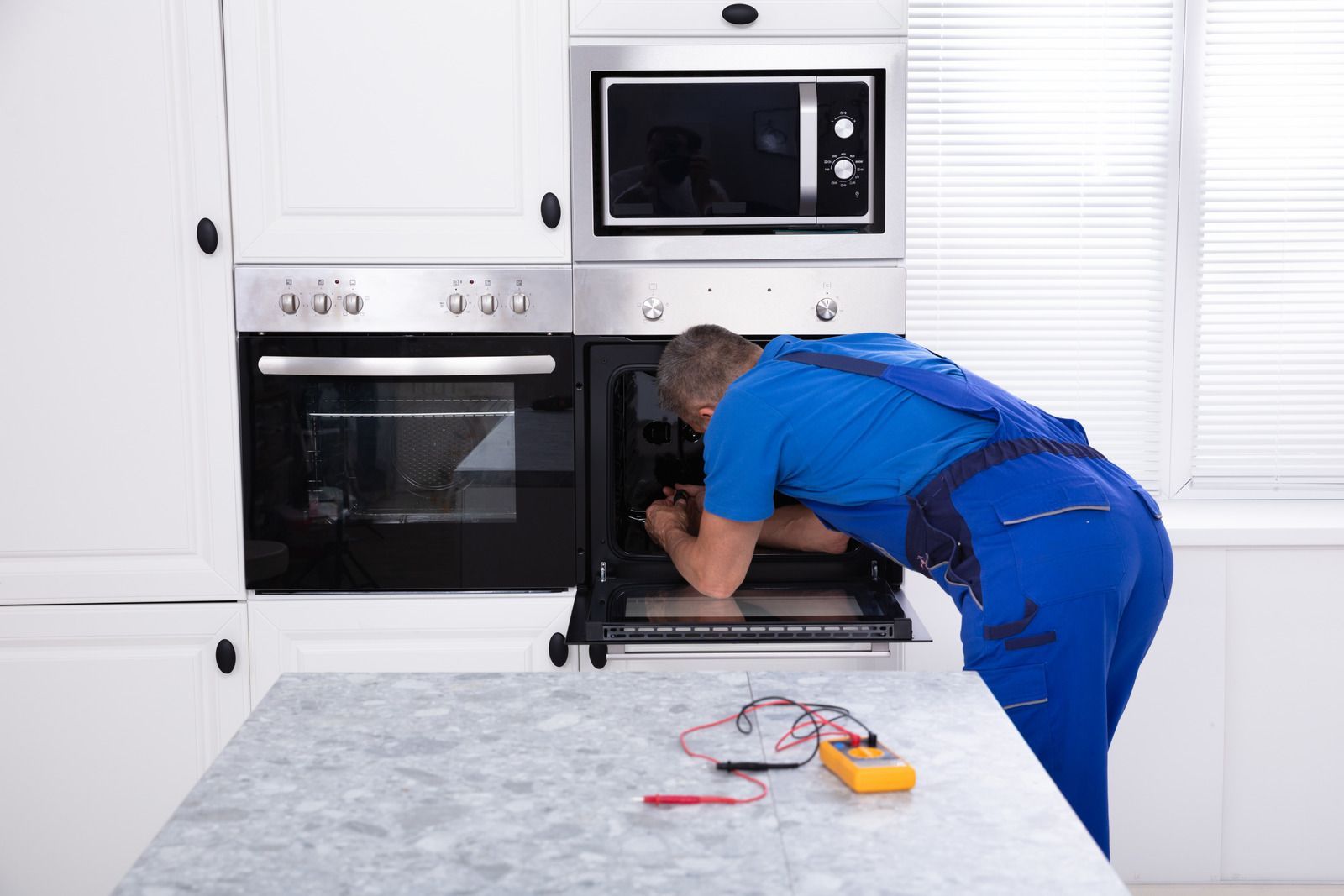
Checking the thermostat involves testing for continuity with a multimeter or adjusting the temperature settings to observe changes in performance accurately. If the thermostat is defective, replacing it can restore normal cooling, improve energy efficiency, and protect internal components. Consulting appliance manuals and professional guidance ensures correct calibration, safe installation, and long-term reliable operation.
3. Improper Airflow
Importance of Air Circulation
Efficient airflow is essential for uniform cooling and maintaining optimal food storage conditions. Refrigerators rely on fans to circulate cold air consistently throughout all compartments. When vents are blocked by items, ice, or frost, the airflow becomes restricted, and certain sections may fail to maintain the desired temperature, reducing overall appliance efficiency and affecting food quality significantly.
Common Causes of Blocked Airflow
- Overstuffed shelves that obstruct vents and reduce cold air circulation
- Ice buildup in freezer sections that limits airflow efficiency
- Damaged or misaligned internal fans that prevent proper circulation
Remedies and Preventive Measures
Organizing food items to allow unobstructed air pathways and performing regular defrost cycles helps maintain proper airflow and uniform cooling. Ensuring fans are operational and free of ice or debris is another preventive measure to maintain system efficiency. For units with auto-defrost systems, verifying that the defrost heater and timer are functioning correctly reduces the likelihood of airflow obstruction, helping maintain energy efficiency and overall appliance longevity.
4. Refrigerant Leaks
Role of Refrigerant
Refrigerant is the fluid responsible for absorbing heat from the refrigerator interior and releasing it outside efficiently. A leak reduces the cooling capacity, causes temperature fluctuations, and places additional strain on the compressor, potentially leading to long-term mechanical failure and costly repairs if left untreated. Proper refrigerant levels are critical for maintaining consistent cooling performance and energy efficiency.
Recognizing Signs of Refrigerant Leaks
Signs include a warm refrigerator interior despite normal operation, hissing sounds near the coils, and excessive frost formation inside the freezer or fridge compartments. Some modern units may also trigger error codes or alerts when refrigerant levels are low, signaling the need for timely professional inspection to prevent further system damage.
Professional Solutions
Refrigerant handling requires specialized knowledge, proper tools, and certification due to environmental and safety regulations. A licensed technician can locate leaks, repair affected lines, and recharge the system with the correct type and quantity of refrigerant. Timely detection prevents further damage, preserves energy efficiency, and ensures safe and reliable appliance operation over the long term.
5. Faulty Compressor
Understanding the Compressor Function
The compressor acts as the heart of the refrigeration system, circulating refrigerant under high pressure to facilitate efficient heat exchange. If the compressor malfunctions, the entire cooling cycle is disrupted, resulting in a refrigerator that fails to reach the set temperature consistently, potentially compromising stored food and increasing energy consumption unnecessarily.
Symptoms of a Failing Compressor
Common indicators include loud humming or clicking noises from the compressor, warm compartments despite operational fans, and frequent cycling without any noticeable temperature improvement. Compressor issues may also manifest as intermittent cooling, where the appliance works sporadically, affecting both energy efficiency and food safety over time.
Maintenance and Replacement
While some minor issues can be temporarily managed, a failing compressor generally requires professional replacement to restore proper functionality. Preventive measures include regular coil cleaning, proper airflow maintenance, and avoiding overloading the refrigerator, all of which reduce stress on the compressor and improve overall appliance longevity. Timely repair or replacement restores cooling efficiency and prevents collateral damage to other components.
6. Door Seal and Gasket Problems
Importance of Seals
Door gaskets maintain an airtight seal, preventing cold air from escaping and warm air from entering the refrigerator. Damaged, cracked, or loose seals compromise cooling efficiency, increase energy usage, and force the appliance to work harder, potentially reducing its lifespan significantly. Proper seals are essential for consistent performance, food preservation, and overall energy efficiency.
Detecting Seal Issues
Visible cracks, tears, or gaps in the gasket often signal potential problems that should not be ignored. A simple test involves closing the door over a piece of paper; if the paper slides out easily without resistance, the seal may require replacement to ensure consistent internal temperatures and efficient operation.
Effective Solutions
Replacing worn gaskets restores the refrigerator’s ability to maintain consistent internal temperatures effectively. Ensuring that doors close completely without obstruction and regularly inspecting seals for wear extends the life of the appliance, reduces utility costs, and improves cooling performance. Properly maintained gaskets enhance overall efficiency, energy savings, and safe food storage conditions.
Dependable Appliance Specialists Maintaining Peak Cooling Efficiency
Refrigerator cooling problems arise from a variety of sources, each impacting performance, energy efficiency, and food safety. Dirty condenser coils, malfunctioning thermostats, improper airflow, refrigerant leaks, faulty compressors, and compromised door seals are the most common culprits. Understanding the underlying causes allows for timely intervention, preventive maintenance, and informed decision-making when professional service is required. Taking proactive steps, such as cleaning coils, organizing contents to maintain airflow, and inspecting gaskets, significantly reduces the likelihood of cooling failure. Proper attention to these factors not only preserves food but also extends the lifespan of the appliance and lowers operational costs.
At Appliance Repair Masters, we bring over 30
years of experience serving St. Louis, West County, South County, Jefferson County, and Franklin County. Our expertise covers all types of refrigerators and cooling systems, from common maintenance tasks to complex repairs. With a focus on reliability, efficiency, and customer satisfaction, we ensure that appliances operate at peak performance. Choosing us means access to skilled technicians, advanced diagnostic tools, and proven solutions that protect valuable household investments. For homeowners seeking trustworthy, professional, and efficient
refrigerator repair
services, Appliance Repair Masters
provides the experience and confidence needed to restore proper cooling and maintain peace of mind.