5 Common Dishwasher Problems Every Homeowner Should Know
A modern dishwasher has become an essential household appliance, valued for its convenience, efficiency, and ability to maintain hygienic cleaning standards in busy homes. However, like any frequently-used appliance, dishwashers are prone to performance issues that can compromise cleaning quality, increase energy consumption, or lead to costly repairs if ignored. Understanding the most common dishwasher problems allows homeowners to act early, make informed maintenance decisions, and recognize when professional service may be required. In a market where appliance reliability and longevity matter more than ever, awareness plays a crucial role in reducing downtime and preventing avoidable breakdowns.
This blog explores five of the most common dishwasher problems every homeowner should know, combining practical insights with expert reasoning and real-world scenarios. Each section breaks down how the problem occurs, what symptoms to look for, and the best practices for troubleshooting or preventing further damage. The goal is to empower homeowners with clear, actionable information presented in a professional, authoritative, and easy-to-read manner. By recognizing warning signs early and adopting proactive maintenance habits, households can extend appliance lifespan, preserve washing performance, and ensure safe, efficient operation throughout daily use.
1. Dishwasher Not Cleaning Dishes Properly
Poor Water Flow and Spray Arm Blockages
One of the most frequent dishwasher complaints is that dishes come out cloudy, greasy, or partially unwashed. In many cases, restricted water flow or clogged spray arms are the leading causes. Over time, mineral deposits, food particles, and detergent residue can collect inside the spray nozzles, limiting water pressure and reducing cleaning coverage. When water cannot circulate properly, utensils and dishes located on outer rack areas remain dirty, even when detergent is dispensed correctly, ensuring consistently cleaner dishes during routine household washing cycles.
Homeowners should periodically remove the spray arms and rinse them under running water to dislodge buildup. For hard-water regions, soaking components in a vinegar solution can dissolve mineral accumulation. Consistent maintenance supports better cleaning performance and prevents unnecessary strain on the motor and pump assembly, helping the appliance operate smoothly across extended daily use.
Overloading and Incorrect Rack Placement
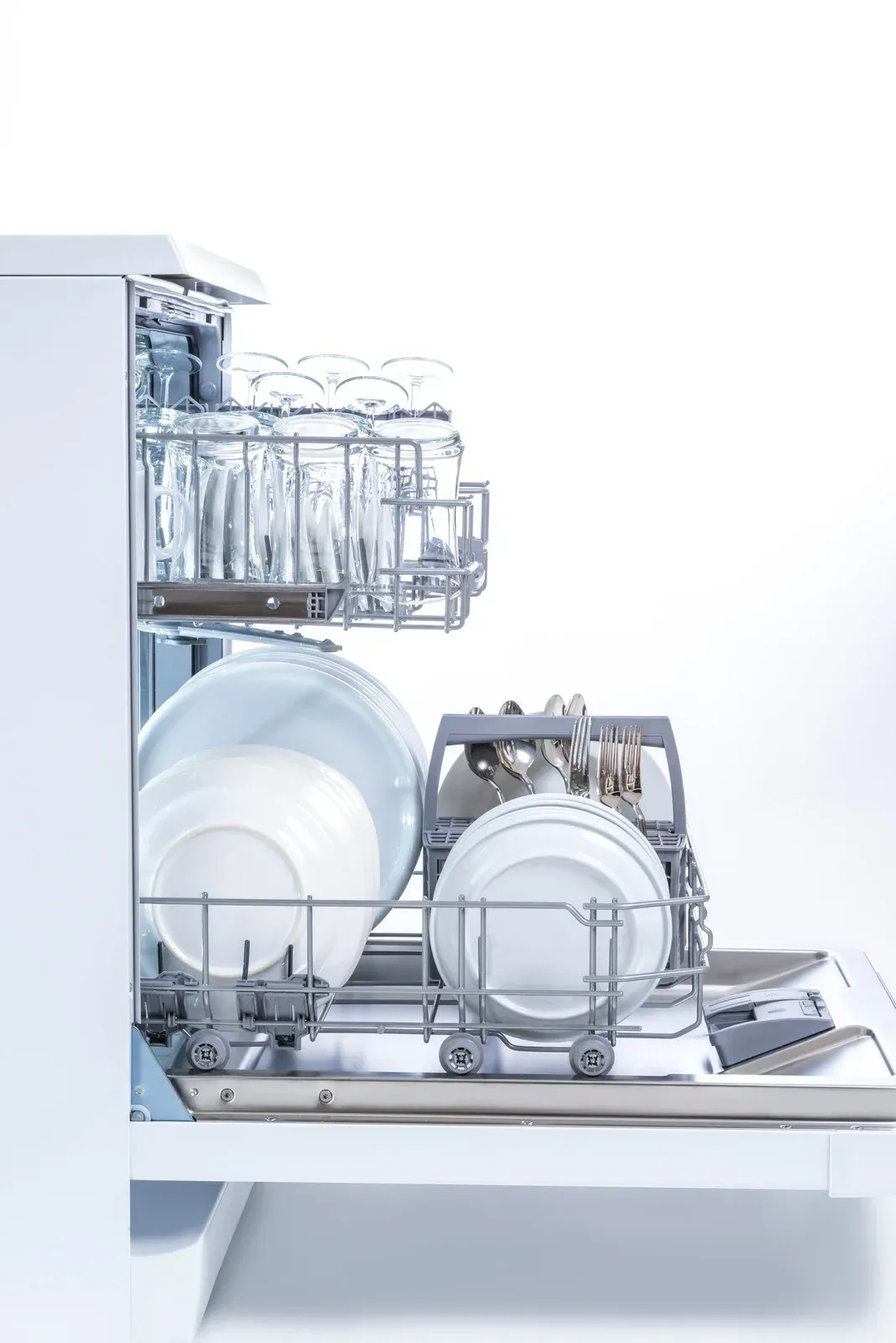
Loading technique plays a critical role in wash quality. Overcrowding racks, stacking bowls too closely, or nesting utensils prevents water from reaching surfaces. Large pans or cutting boards placed at the front may block detergent doors or obstruct spray rotation. To maintain optimal cleaning efficiency, dishes should be spaced evenly with heavily soiled surfaces facing downward, allowing balanced water coverage across every active washing cycle.
Using the manufacturer-recommended loading method not only improves results but also reduces re-wash cycles, water usage, and detergent waste, while supporting sustainable appliance care and responsible household operation.
2. Dishwasher Not Draining Water
Clogged Filters and Drain Hose Issues
A dishwasher that fails to drain at the end of a cycle is both inconvenient and potentially damaging. Standing water inside the tub may indicate a clogged filter, blocked drain hose, or restricted air gap connection. Filters are designed to trap food debris, but when cleaning is neglected, residue hardens and prevents water from passing through the drainage system. Repeated cycles under these conditions place additional stress on the drain pump, which can eventually affect long-term performance reliability.
Routine inspection of the filter assembly and drain hose is essential. Removing trapped particles, wiping residue, and checking for kinks or bends in the hose can quickly restore drainage efficiency. In homes where grease or starch buildup is common, proactive filter cleaning becomes even more important, improving drainage consistency and supporting dependable dishwasher operation.
Pump or Motor Malfunctions
If drainage problems persist even after cleaning visible components, the issue may involve the drain pump or motor housing. Worn impellers, damaged seals, or electrical faults can disrupt the discharge function. In such scenarios, early diagnosis is critical to prevent water leaks, motor overheating, or electrical hazards. Homeowners are encouraged to seek professional repair assistance rather than forcing repeated operation, which may worsen internal damage, reducing the likelihood of further complications and repair expenses.
3. Dishwasher Leaking Water
Faulty Door Gasket and Seal Wear
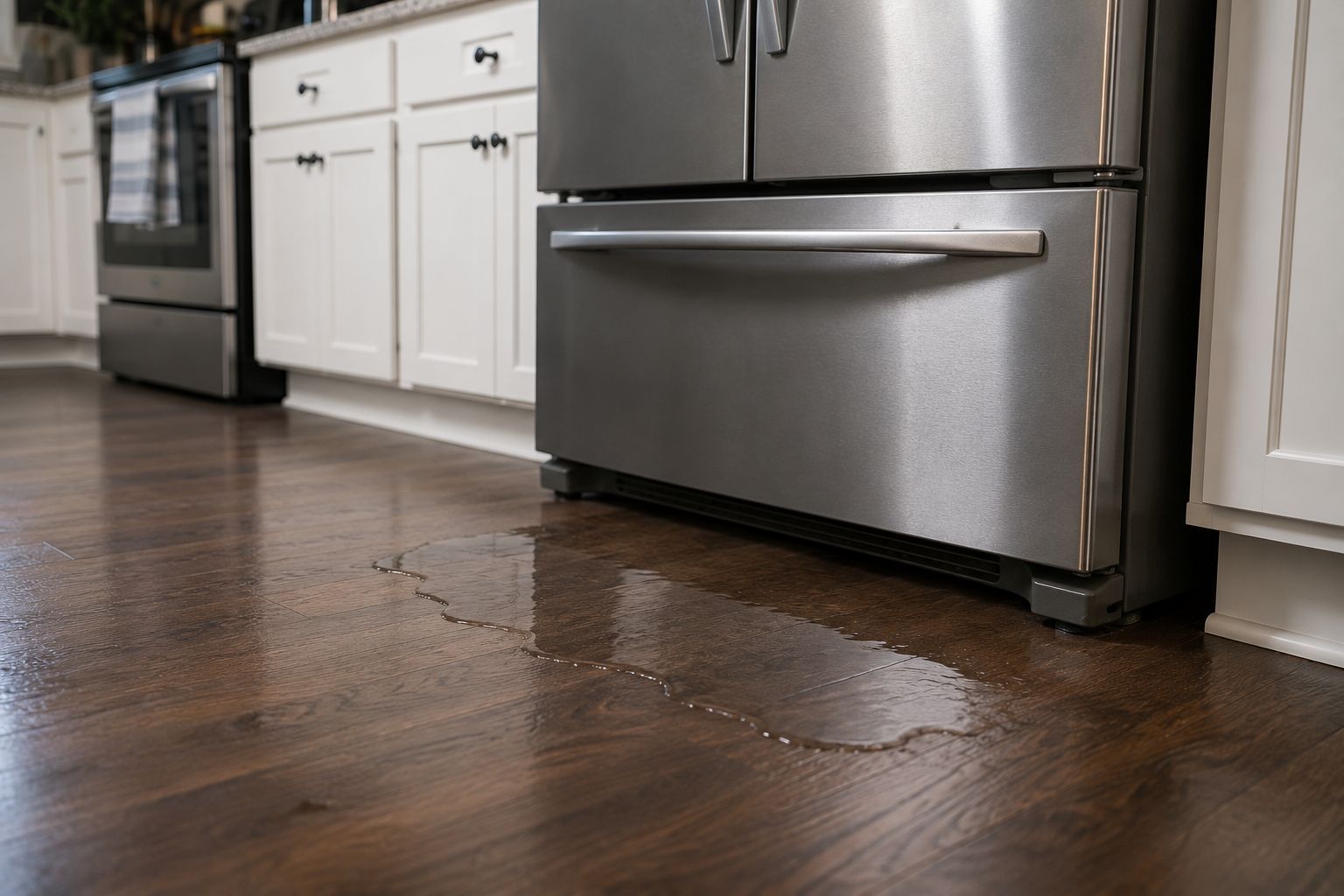
Water leaks around the base of the dishwasher are often traced back to deteriorating door gaskets. Rubber seals are exposed to heat, detergent chemicals, and moisture for years, leading to cracks or loss of elasticity. When the gasket cannot form a tight seal, water escapes during the wash cycle and pools onto the floor surface, increasing the risk of moisture damage around nearby flooring.
Visual inspection can help identify worn or brittle areas around the gasket frame. Replacing seals at the first sign of deterioration prevents water damage, mold formation, and potential damage to surrounding cabinetry or flooring materials, helping maintain a secure and reliable sealing surface.
Detergent and Loading-Related Causes
Not all leaks signal mechanical failure. Using excessive detergent or the wrong detergent type can produce excess foam, leading to overflow during rinsing. Similarly, tall dishes that interfere with door closure may break the seal while the appliance is running. Following detergent guidelines and ensuring proper rack placement significantly lowers the risk of avoidable leakage, reducing repeat moisture exposure around the dishwasher area.
Real-world repair cases frequently show that minor adjustments in user habits can prevent recurring leaks and extend appliance reliability, supporting better long-term performance across regular household usage.
4. Strange Noises During Dishwasher Operation
Foreign Objects and Internal Obstructions
Unusual grinding, rattling, or buzzing sounds can indicate that foreign objects such as broken glass, utensils, or seeds have entered the pump or spray assembly. When debris becomes trapped inside the chopper blade or pump housing, it creates friction and may permanently damage internal components if ignored. Stopping the cycle and carefully inspecting the tub bottom can prevent larger mechanical failures. Removing debris early preserves pump function and ensures smoother operation during subsequent cycles, helping protect essential components from premature mechanical wear.
Worn Bearings or Circulation Motor Issues
Mechanical humming or whirring noises often develop as circulation motors begin to wear out. Bearings inside the motor assembly degrade gradually due to constant exposure to heat and moisture. While the appliance may continue functioning temporarily, performance efficiency declines, and energy consumption increases. Addressing motor-related noise at an early stage reduces the likelihood of sudden breakdowns. From an expert maintenance perspective, timely intervention is far more cost-effective than emergency component replacement after complete motor failure, contributing to quieter performance and improved appliance durability.
5. Persistent Odors and Hygiene Concerns
Food Residue and Bacterial Buildup
Lingering odors inside a dishwasher can be unpleasant and indicate deeper sanitation issues. Food particles trapped in filters, seals, and hidden crevices decompose over time, promoting bacterial growth and musty smells. In many households, infrequent cleaning schedules allow residue to accumulate progressively. A consistent cleaning routine that includes filter washing, interior wiping, and drain flushing can effectively eliminate odors. Running periodic maintenance cycles with dishwasher cleaner or a safe descaling agent also helps maintain hygienic operating conditions, supporting better cleanliness and more hygienic dishwashing results.
Standing Moisture and Ventilation Problems
Moisture retention inside the tub after cycles may also contribute to odor formation. When ventilation is inadequate, damp surfaces create an ideal environment for mold and mildew. Leaving the dishwasher door slightly open after use improves air circulation and accelerates drying. From a long-term reliability standpoint, proper ventilation not only prevents odors but also helps protect seals, racks, and internal coatings from premature wear caused by trapped humidity, ensuring fresher interior conditions and more efficient daily performance.
Dishwashers remain one of the most valuable household appliances, but consistent performance depends on early awareness of common operational problems and proactive maintenance habits. Issues such as poor cleaning, drainage failures, leaks, unusual noises, and persistent odors rarely occur without early warning signs. By recognizing these indicators and taking timely corrective action, homeowners can extend the functional lifespan of their appliance, avoid unnecessary repair costs, and maintain dependable cleaning performance across daily use. The insights discussed in this guide highlight the importance of routine inspection, correct loading practices, component cleaning, and prompt professional attention when mechanical faults arise. An informed approach not only protects household investment but also ensures safer, more efficient appliance operation over time.
Your Reliable Local Partner for Appliance Repairs
With more than 30 years of hands-on industry experience, Appliance Repair Masters has built a reputation as a trusted, knowledgeable, and customer-focused appliance service provider serving St. Louis, West County, South County, Jefferson County, and Franklin County. Our team combines technical expertise with a commitment to honest guidance, thorough diagnostics, and reliable repair workmanship tailored to real homeowner needs. Whether a dishwasher is experiencing drainage problems, leaks, performance issues, or unexpected mechanical faults, we approach every service call with professionalism and attention to detail. Clients rely on us not only for accurate repairs, but also for clear explanations, preventative maintenance insights, and long-term reliability recommendations that help protect their appliances well beyond the immediate repair. As an established local service provider, we take pride in delivering responsive support, transparent communication, and workmanship that reflects decades of field experience. For homeowners seeking dependable dishwasher repair and appliance service from a knowledgeable and reputable team, Appliance Repair Masters remains a trusted authority across the St. Louis region.